On Saturday, 20th December 2025, the Public Health Equity Initiative (PHEI) took a significant step forward in its mission to reduce health inequities by delivering its first-ever community outreach in Piwoyi Community, Abuja.
Held at the Piwoyi Community Football Field, adjacent to the busy Piwoyi market, the outreach combined basic health screenings with mental health and stress management education, specifically designed for market traders and artisans: a population often underserved by formal public health systems despite facing high physical, emotional, and financial strain.
“Although the outreach was initially scheduled for 10:00 to 2:00, activities commenced earlier in the morning to accommodate blood sugar testing, which is best conducted early in the day. The outreach ultimately ran for approximately four hours and reached about 115 traders.”
Why Piwoyi? Listening Before Acting
Ahead of the outreach, PHEI conducted a community trader needs assessment within the Piwoyi market to understand traders’ health realities, daily stressors, and preferred modes of engagement.
Key findings revealed:
Limited access to routine health screening
High stress levels linked to long working hours and financial pressure
Common symptoms such as tiredness, headaches, and sleep difficulties
Strong interest in simple, practical stress management guidance
Preference for Saturday, morning-friendly outreach schedules
Skepticism toward NGOs due to past experiences of unmet promises.
These insights directly informed the outreach design, ensuring activities were relevant, respectful of traders’ time, and grounded in lived experience.
Outreach Overview & Community Endorsement
The football field was deliberately selected for its open and accessible layout, allowing traders to participate without significantly disrupting their business activities. Its proximity to the market ensured ease of access and high participation.
Crucially, the outreach received official endorsement and was formally opened by the Piwoyi Youth Chairman, signalling strong community leadership support and ownership. Community leaders, members of the Chief’s family, market representatives, and health professionals remained present throughout the event, reinforcing transparency, trust, and collaboration.
What We Delivered: Participation & Services
Participation & Reach
Total participants reached: ~115 traders
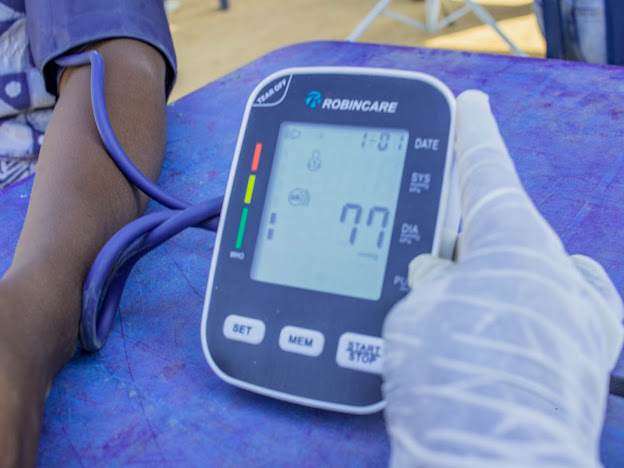
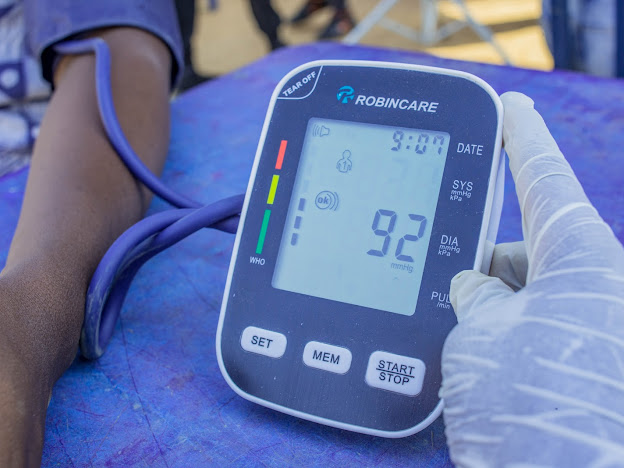
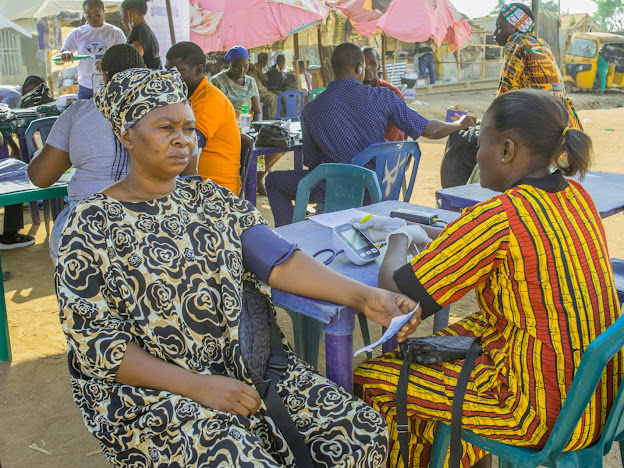
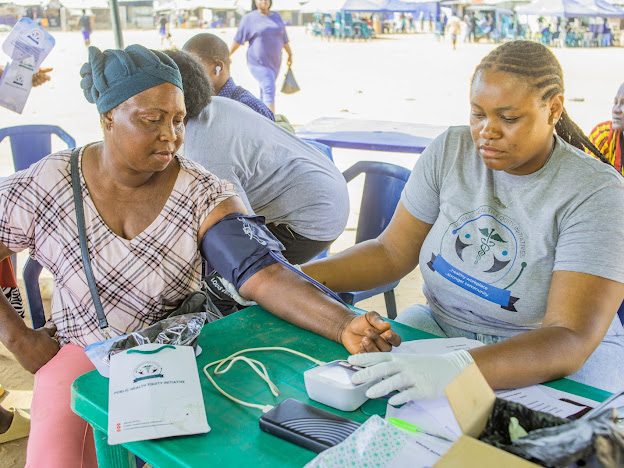
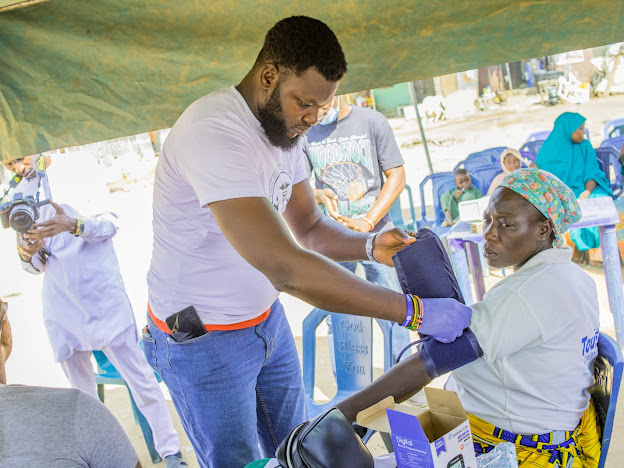
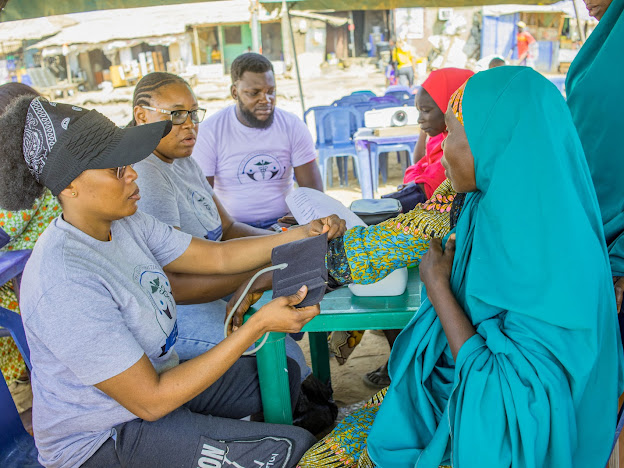
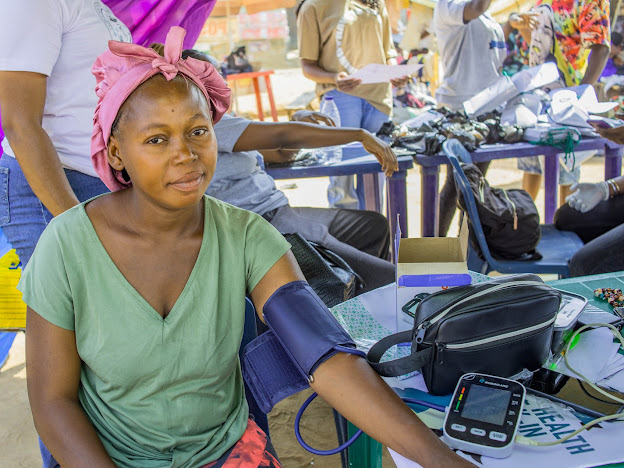
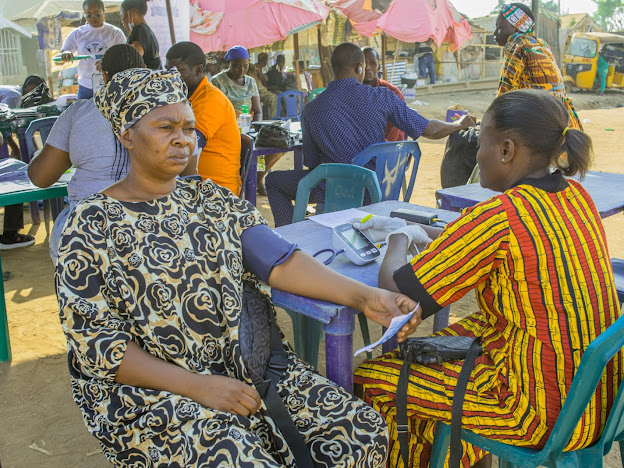
Blood pressure screening: 115 participants
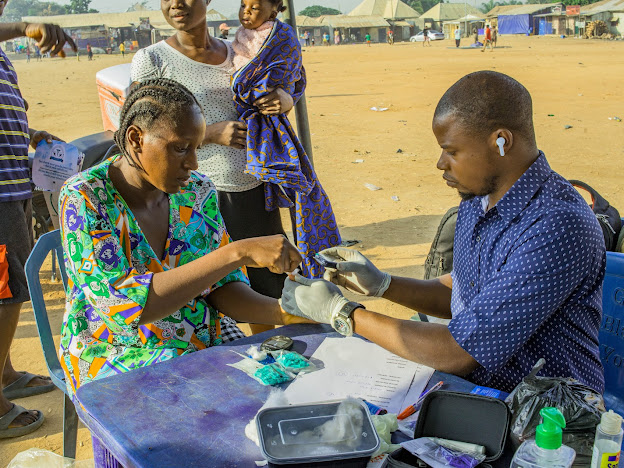
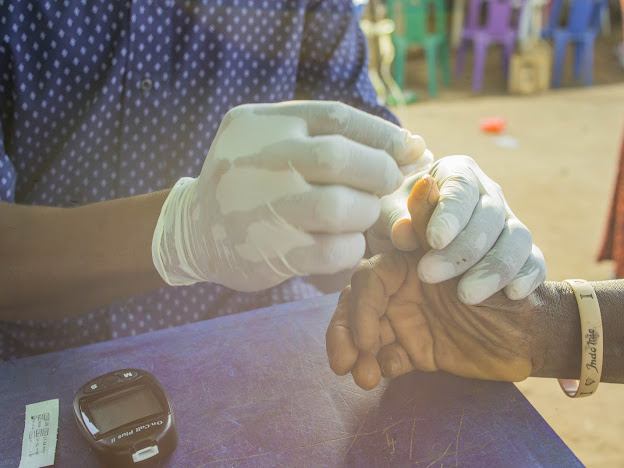
Blood sugar testing: 100 participants
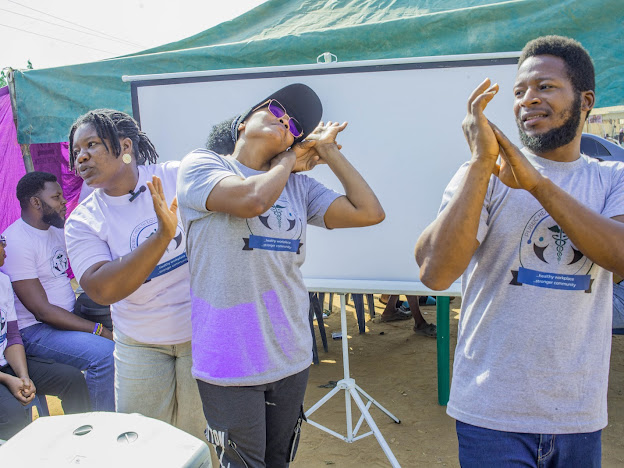
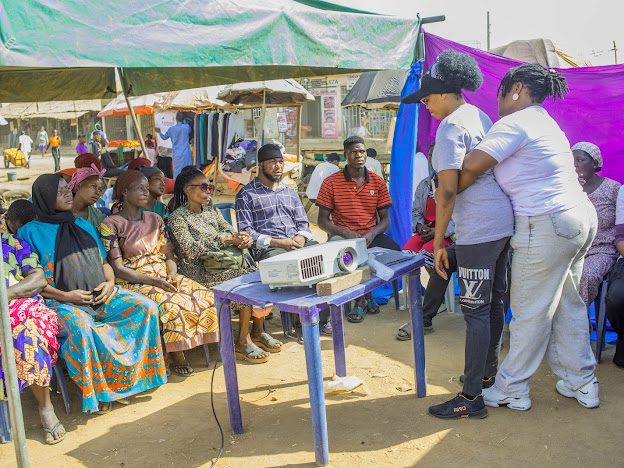
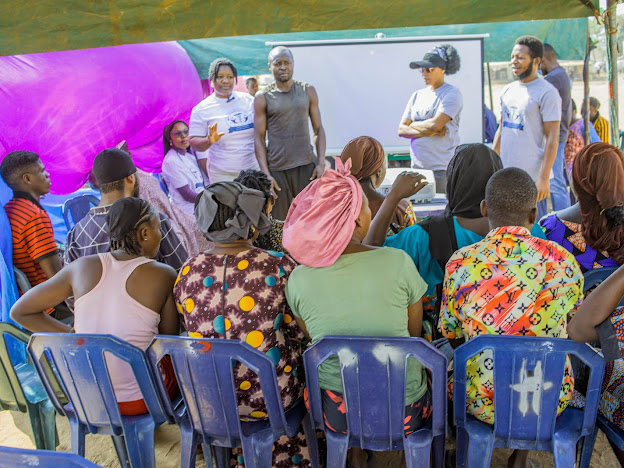
Mental health & stress management session: ~100 participants
Age range: Approximately 30–70 years
Gender: Men and women (predominantly women traders)
The strong turnout, particularly among older traders highlighted a substantial unmet need for preventive health services within the community.
Health Screening Findings: Key Insights
Health screenings revealed important public health concerns among traders:
Blood Pressure
32 traders advised for follow-up
28 with high blood pressure
4 with low blood pressure
Blood Sugar
7 traders advised for follow-up
5 with high blood sugar
2 with low blood sugar
Many participants reported that they rarely visit health facilities due to time constraints, cost, and the demands of daily trading. Several were unaware of their condition, while others had previously received advice to seek care but had not followed through.
All participants with abnormal readings were verbally referred to Primary Healthcare Centre (PHC) Piwoyi and nearby private facilities. The presence of a PHC nurse and a laboratory professional on site strengthened confidence in the referrals and encouraged follow-up care.
Mental Health at the Centre: “Rest Is Not Laziness”
Mental health education was a central pillar of the outreach, reflecting PHEI’s commitment to addressing both physical and psychosocial wellbeing.
The session focused on:
Recognising everyday stress
The importance of rest and sleep
Financial pressure and emotional wellbeing
Social support and healthy coping strategies
Understanding when and how to seek help
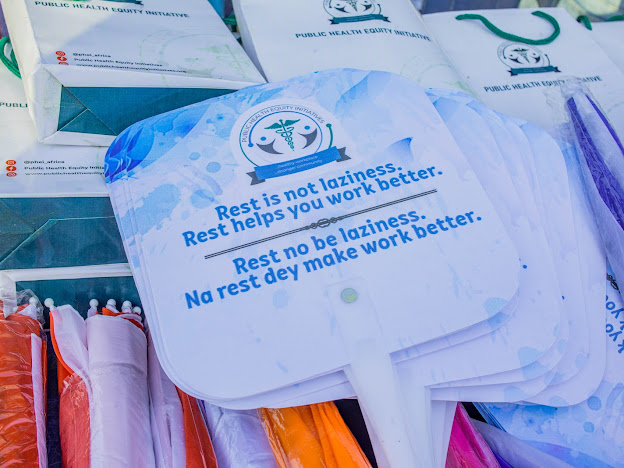
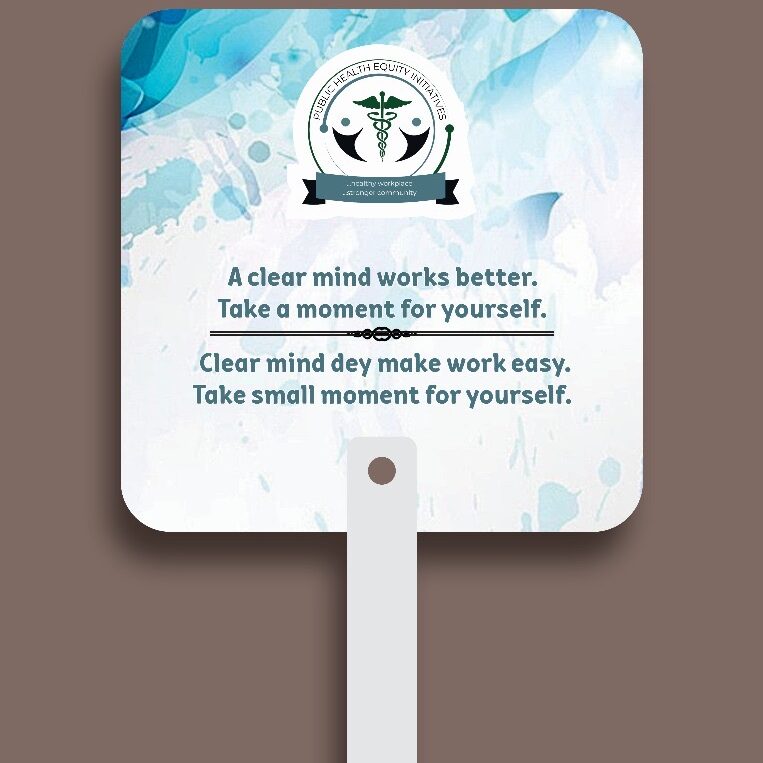
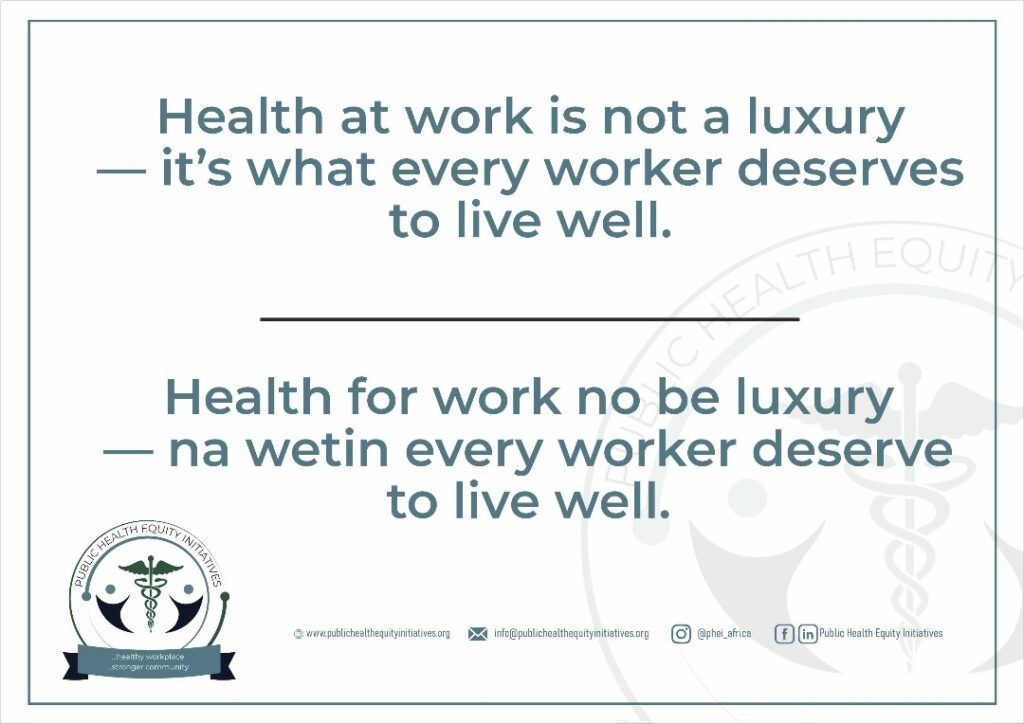
Messaging was intentionally simple, culturally appropriate, and non-clinical. Phrases such as:
“Rest is not laziness”
“A clear mind works better”
resonated strongly with participants. While some traders were quiet during the session, engagement was evident through attentiveness, body language, and follow-up conversations.
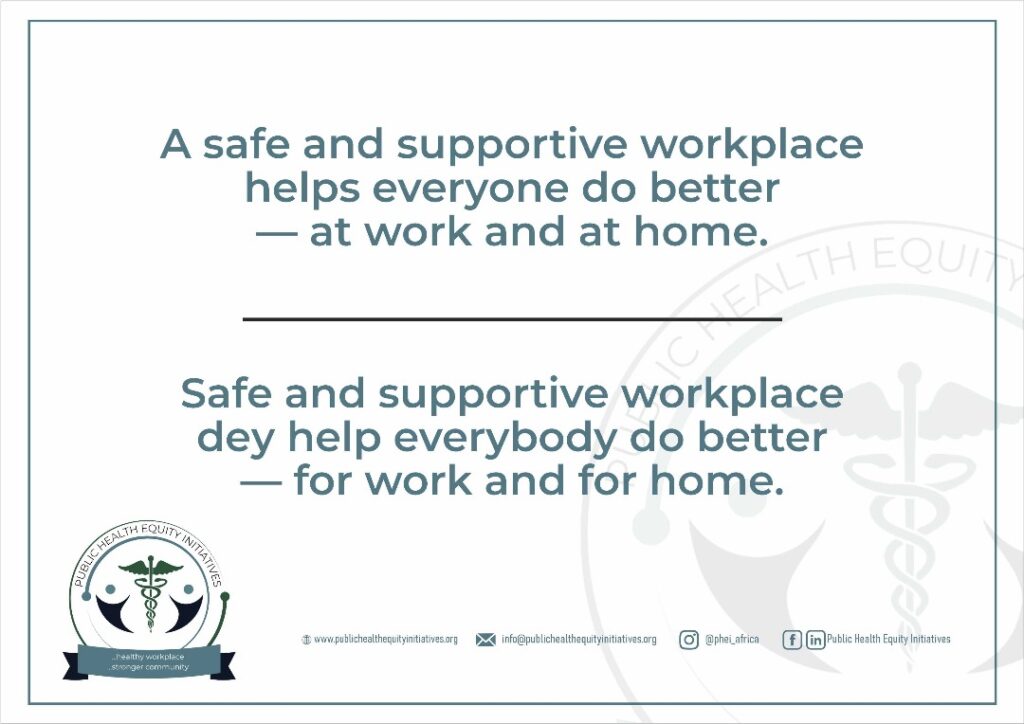
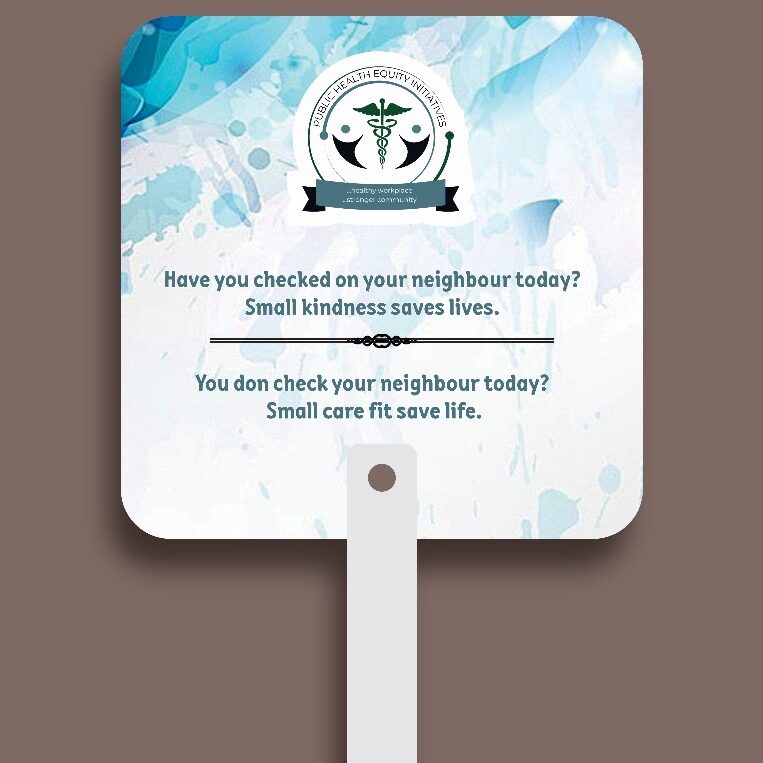
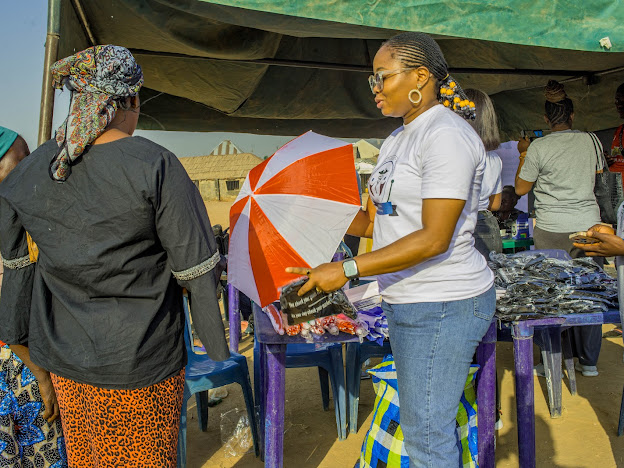
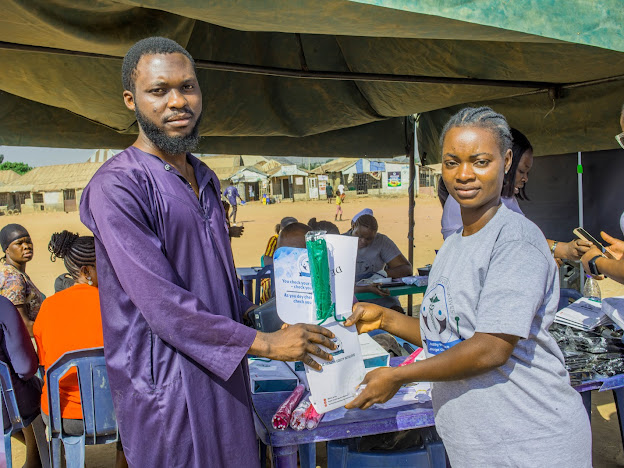
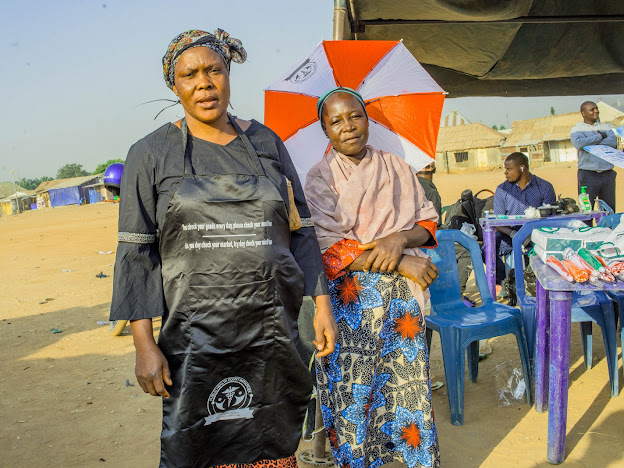
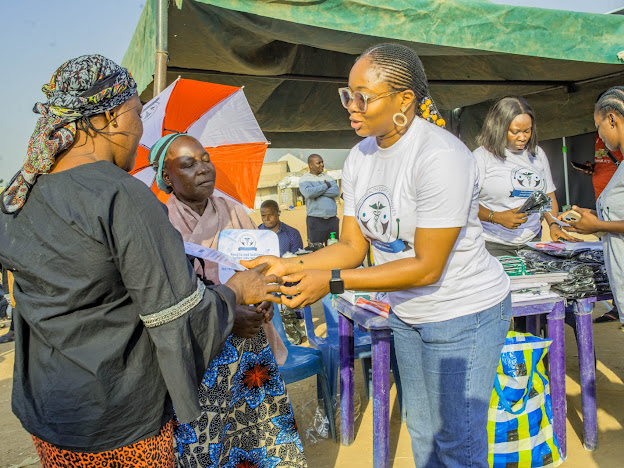
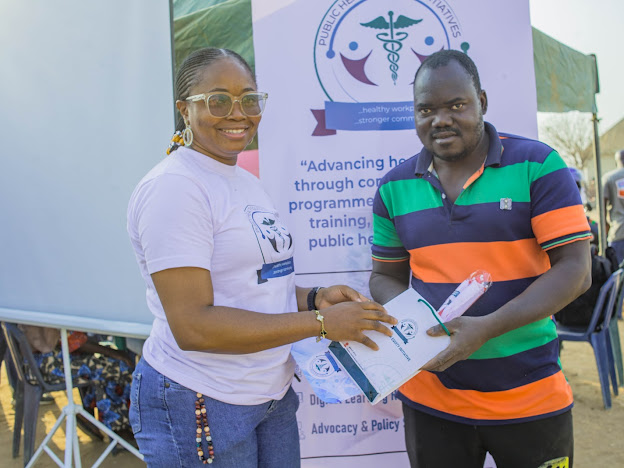
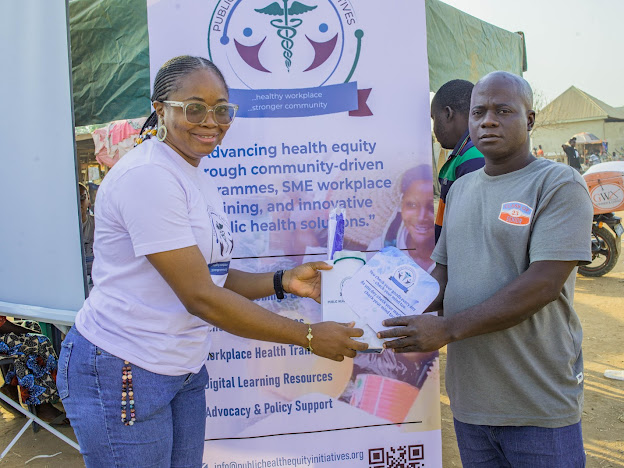
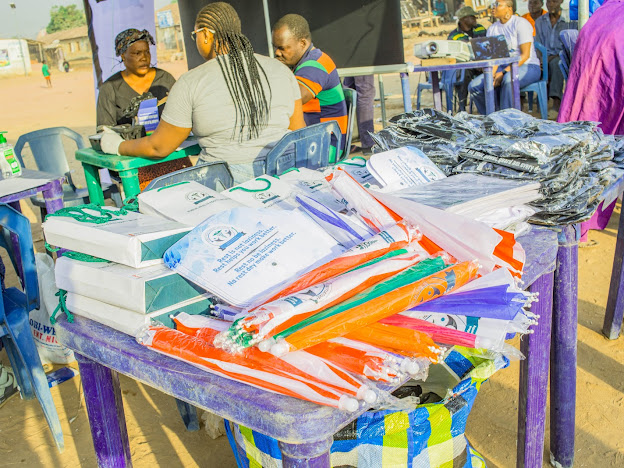
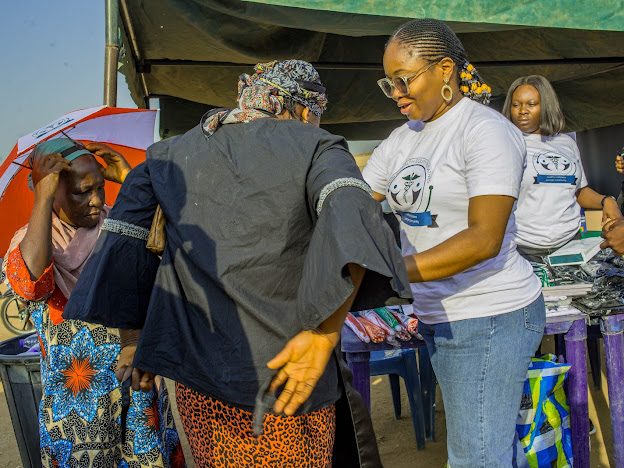
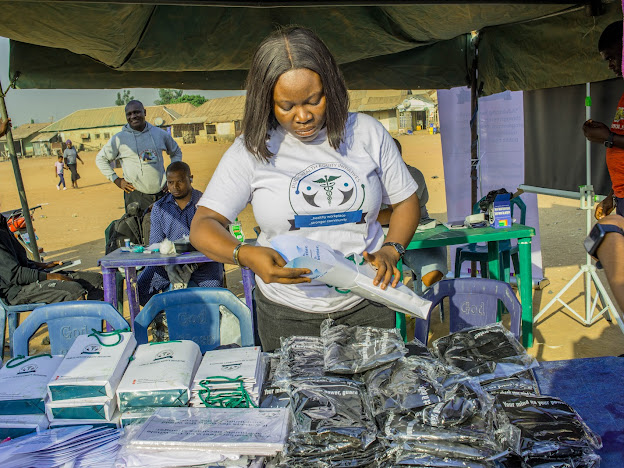
To reinforce learning beyond the outreach day, participants received branded aprons, hand fans, and stickers printed with mental health reminders, tools designed for daily use in their work environment.
Selected images such as hand fan, aprons, stickers featuring mental health messages are included below for reference.


Community & Stakeholder Collaboration
Strong community engagement was a defining factor in the outreach’s success.
Stakeholders Present:
Piwoyi Youth Chairman
Members of the Chief’s family
Market traders and artisans
PHC Piwoyi nurse
Laboratory technician / diagnostic centre representative
Nigerian Red Cross Society volunteers
Community Support Included:
Trader mobilisation
Crowd control
Space allocation for outreach setup
General coordination support
Community leaders described the outreach as timely, respectful, and impactful, noting its difference from previous NGO visits that failed to return or follow up. Several leaders requested regular outreach visits and expanded health services, including malaria testing.
Volunteers & Implementation Team
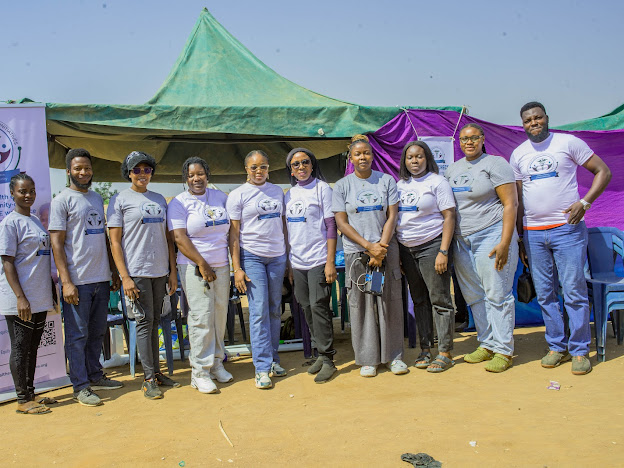
The outreach was supported by 10 volunteers, including 4 members of the Nigerian Red Cross Society. Volunteers assisted with registration, health screening support, local language interpretation, crowd coordination, documentation, and mobilisation.
Volunteer coordination was effective, and the presence of Red Cross personnel enhanced credibility and community confidence. Future outreaches will benefit from an expanded pool of trained volunteers to further strengthen efficiency.
Materials, Visibility & Branding
A range of branded and educational materials were distributed to reinforce messaging and enhance visibility:
Branded banners
Aprons and hand fans with mental health messages
Stickers for market stalls
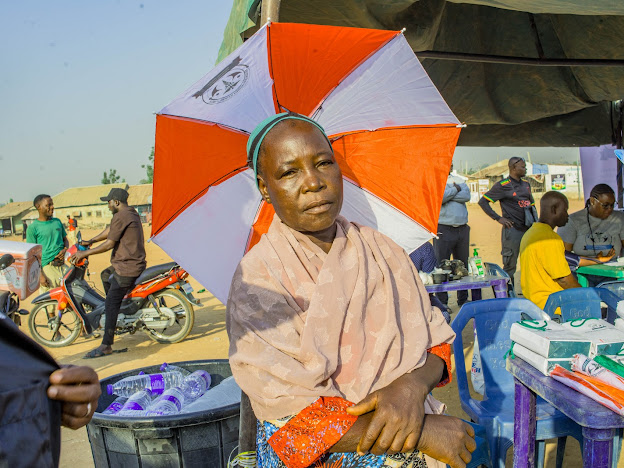
Head umbrellas
Among these, the umbrellas generated the most positive feedback, with traders appreciating their practicality and durability. Mental health messages on aprons and fans were also praised for being relatable, affirming, and easy to remember.
Operational Lessons & Reflections
As with many first-time community outreaches, minor logistical challenges were encountered, including a slight delay in setup and technical equipment adjustments. These were resolved promptly on-site and did not disrupt service delivery or participant engagement.
The experience provided valuable learning opportunities, particularly around earlier setup, backup equipment, and power planning. These insights will directly inform and strengthen the planning and execution of future PHEI outreaches.
Impact & Key Outcomes
Over 100 traders accessed free health services
32 individuals identified for medical follow-up
High receptivity to mental health education
Strengthened trust between PHEI and the Piwoyi community
A replicable model established for future market-based outreach
Outreach Highlights
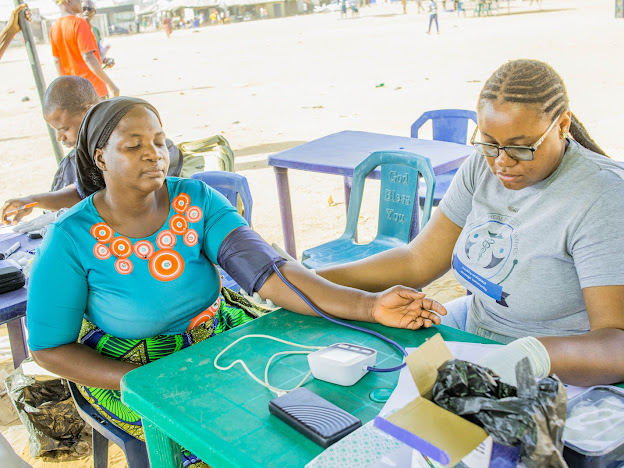
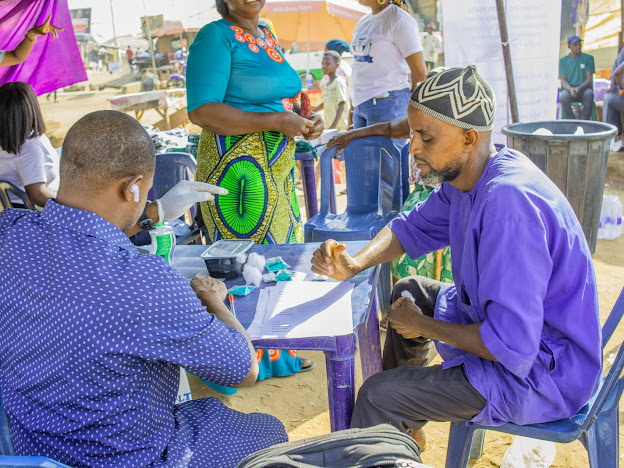
Selected images from the Piwoyi Community Outreach are included below for reference:
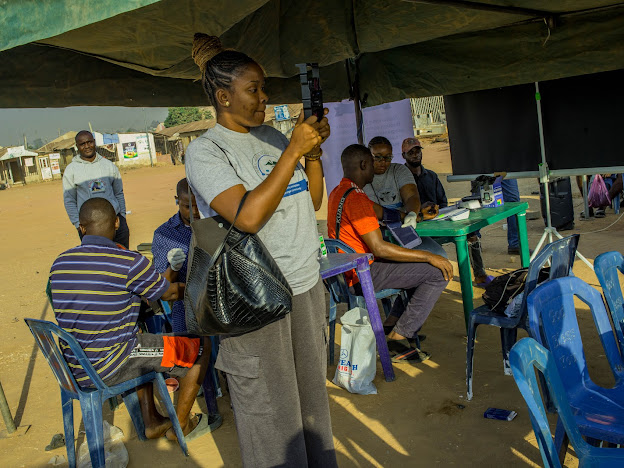
- Traders participating in blood pressure and blood sugar screenings at Piwoyi Market.
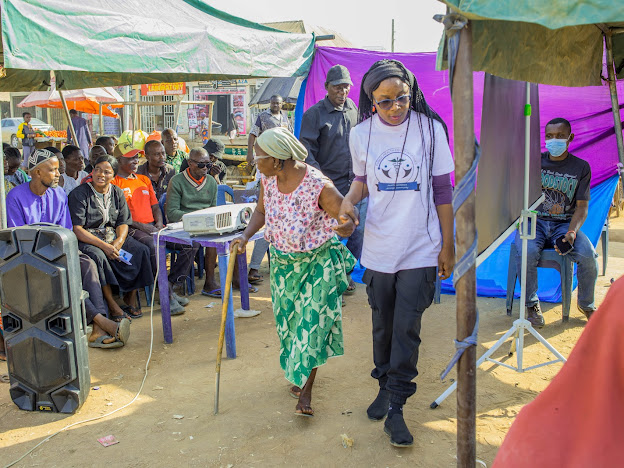
2. Mental health awareness session and basic first aid demonstrations delivered by PHEI Program Coordinator with support from Nigerian Red Cross volunteers.

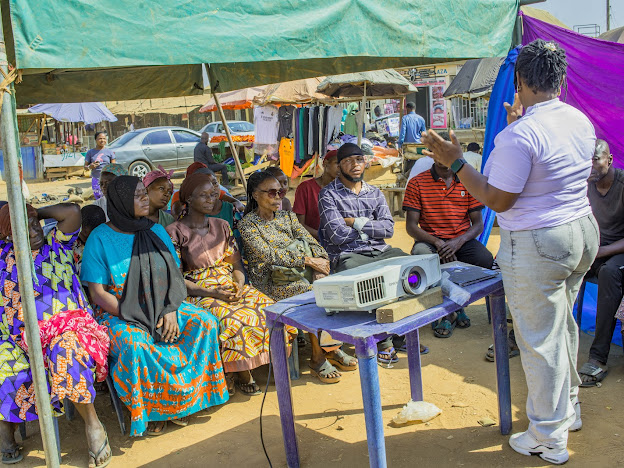
3. Distribution of branded aprons, hand fans, and stickers with mental health messages, with traders engaging with the materials and guidance in their daily work.
4. Community leaders and volunteers supporting the outreach activities.
What’s Next for PHEI in Piwoyi
Building on the success of this outreach, PHEI will:
Strengthen referral follow-up with PHC Piwoyi
Introduce simple referral slips for future outreaches
Expand services to include malaria testing and additional preventive care
Increase volunteer recruitment and pre-outreach training
Deepen partnerships with health facilities, NGOs, and donors
Closing Reflection
The Piwoyi Community Outreach marked an important milestone for the Public Health Equity Initiative. By meeting traders where they are both physically and emotionally PHEI demonstrated that health equity is achievable when services are accessible, respectful, and rooted in trust.
This outreach is only the beginning. With community partnership at its core, PHEI remains committed to building sustainable, people-centred health interventions that leave no one behind.